Well Intervention Tower Fatigue Life Optimisation
Project Overview
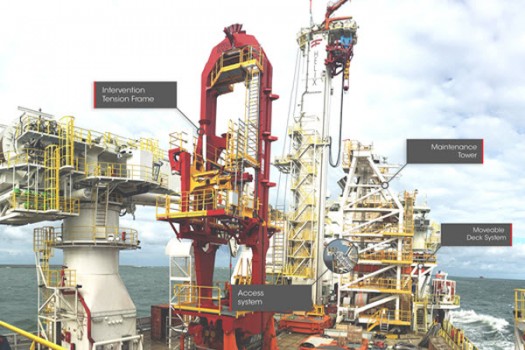
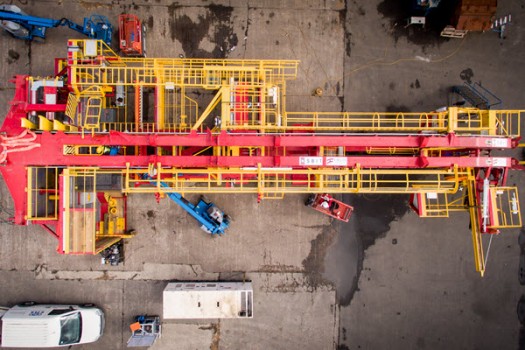
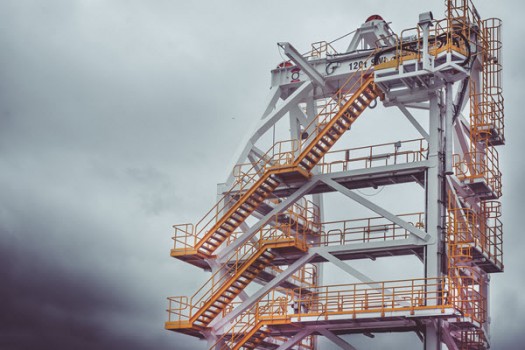
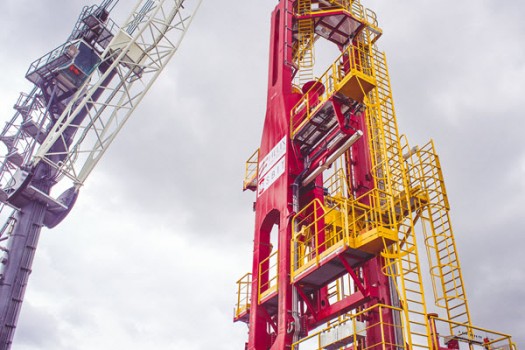
PDL partnered with Osbit to support the design verification of a highly complex offshore well intervention tower for deployment by Helix Energy Solutions. The project required a detailed fatigue assessment under demanding offshore environmental conditions, while maintaining an existing design that was constrained by weight, cost and programme requirements.
Our Solution
Our engineers deployed a comprehensive suite of simulation tools, including ANSYS Mechanical for structural analysis and ANSYS Fluent for thermal-fluid interaction. We developed a detailed 3D model of the component, applying realistic boundary conditions and material properties. Key aspects of our solution included:
Material Characterization : Incorporating advanced material models to accurately represent behavior under irradiation and high temperatures
Topology Optimization : Identifying optimal material distribution to reduce weight while maintaining structural integrity.
Thermal-Structural Coupling : Simulating the interaction between temperature fields and structural deformation.
Fatigue Life Prediction : Performing high-cycle and low-cycle fatigue analysis to predict component lifespan.