Critical Equipment Life Extension Assessment
Project Overview
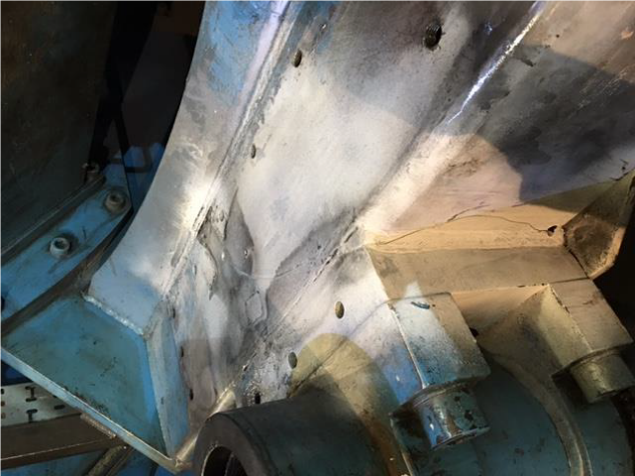
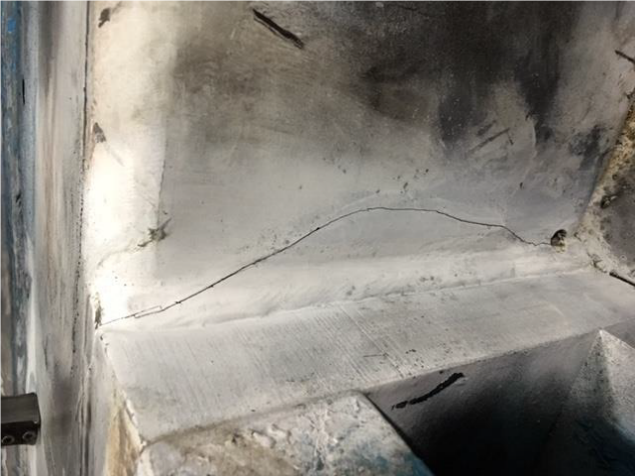
PDL was engaged by an undisclosed manufacturing client following the discovery of a crack in a critical production asset during an active manufacturing campaign. The equipment had already undergone an emergency repair, but before production could restart, the client needed an independent assessment to determine whether the machine could continue operating safely and for how long. PDL delivered a structured structural integrity and fracture mechanics assessment to provide the technical evidence required for operational decision-making.
Our Solution
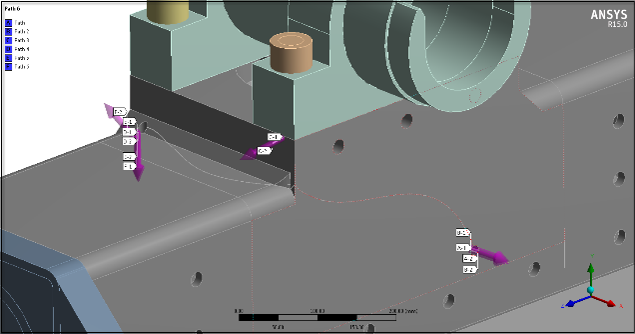
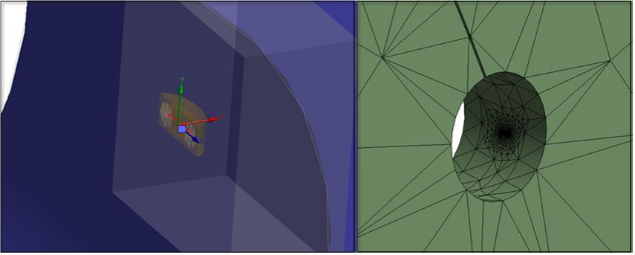
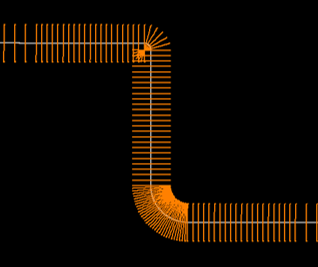
Our engineers deployed a comprehensive suite of simulation tools, including ANSYS Mechanical for structural analysis and ANSYS Fluent for thermal-fluid interaction. We developed a detailed 3D model of the component, applying realistic boundary conditions and material properties. Key aspects of our solution included:
Material Characterization : Incorporating advanced material models to accurately represent behavior under irradiation and high temperatures
Topology Optimization : Identifying optimal material distribution to reduce weight while maintaining structural integrity.
Thermal-Structural Coupling : Simulating the interaction between temperature fields and structural deformation.
Fatigue Life Prediction : Performing high-cycle and low-cycle fatigue analysis to predict component lifespan.