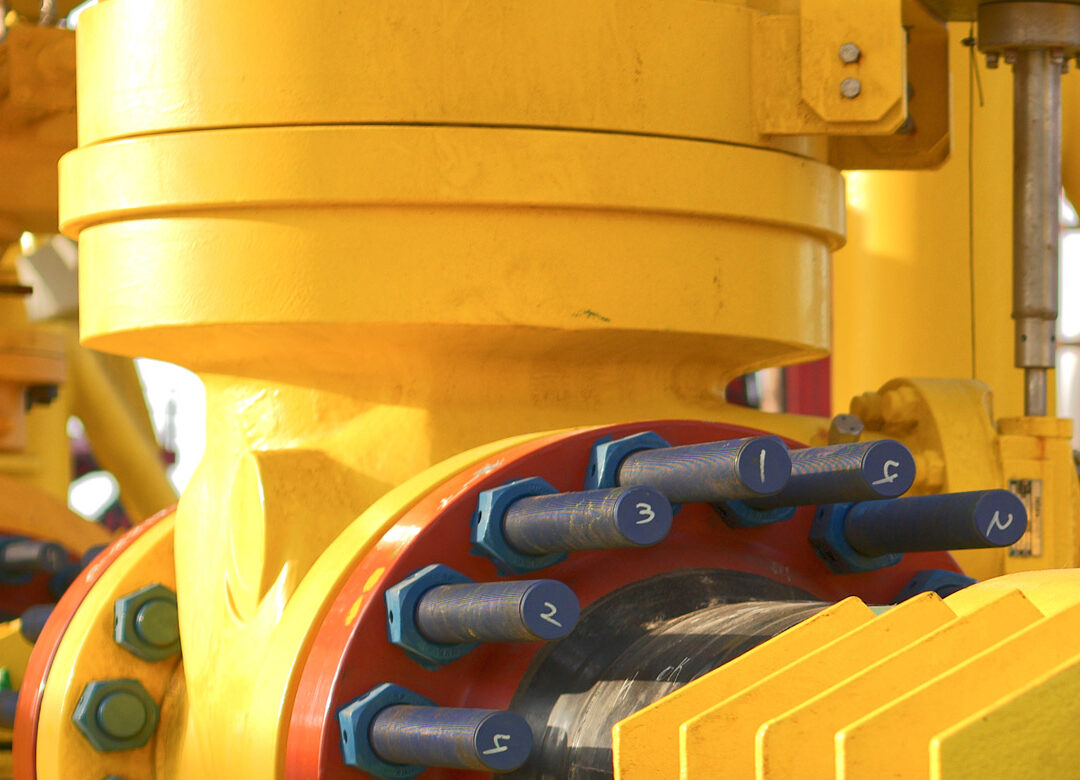
HISC Assessment of Subsea Gate Valve
Project Overview
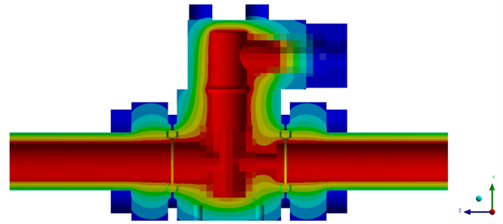
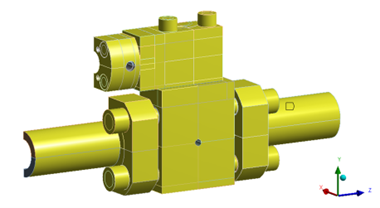
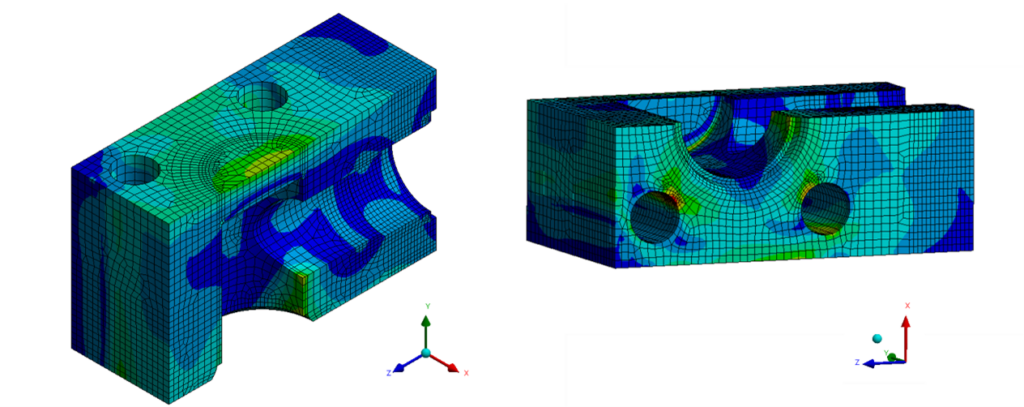
PDL was engaged by a leading valve manufacturer to assess the integrity of a high-pressure subsea gate valve intended for use in a demanding offshore environment. The client needed confidence that the design would perform safely throughout its operational life and wanted to identify any potential integrity issues before manufacturing commenced. Using advanced finite element analysis and structural integrity assessment techniques, PDL evaluated the valve under realistic operating conditions, providing early insight into potential risks and supporting the delivery of a robust, reliable design.
Our Solution
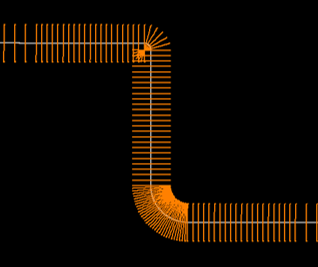
Our engineers deployed a comprehensive suite of simulation tools, including ANSYS Mechanical for structural analysis and ANSYS Fluent for thermal-fluid interaction. We developed a detailed 3D model of the component, applying realistic boundary conditions and material properties. Key aspects of our solution included:
Material Characterization : Incorporating advanced material models to accurately represent behavior under irradiation and high temperatures
Topology Optimization : Identifying optimal material distribution to reduce weight while maintaining structural integrity.
Thermal-Structural Coupling : Simulating the interaction between temperature fields and structural deformation.
Fatigue Life Prediction : Performing high-cycle and low-cycle fatigue analysis to predict component lifespan.